Explore oil change services
Expert Auto Repair Services: Keeping Your Vehicle Running Smoothly
Expert car maintenance services play an vital role in vehicle maintenance. Regular upkeep, such as timely oil changes and brake inspections, can prevent significant issues down the road. Skilled mechanics use advanced tools for accurate diagnostics, ensuring efficient repairs. Understanding the importance of quality components further enhances vehicle performance. However, many drivers overlook the impact of these services. What are the essential aspects that truly define expert auto repair?
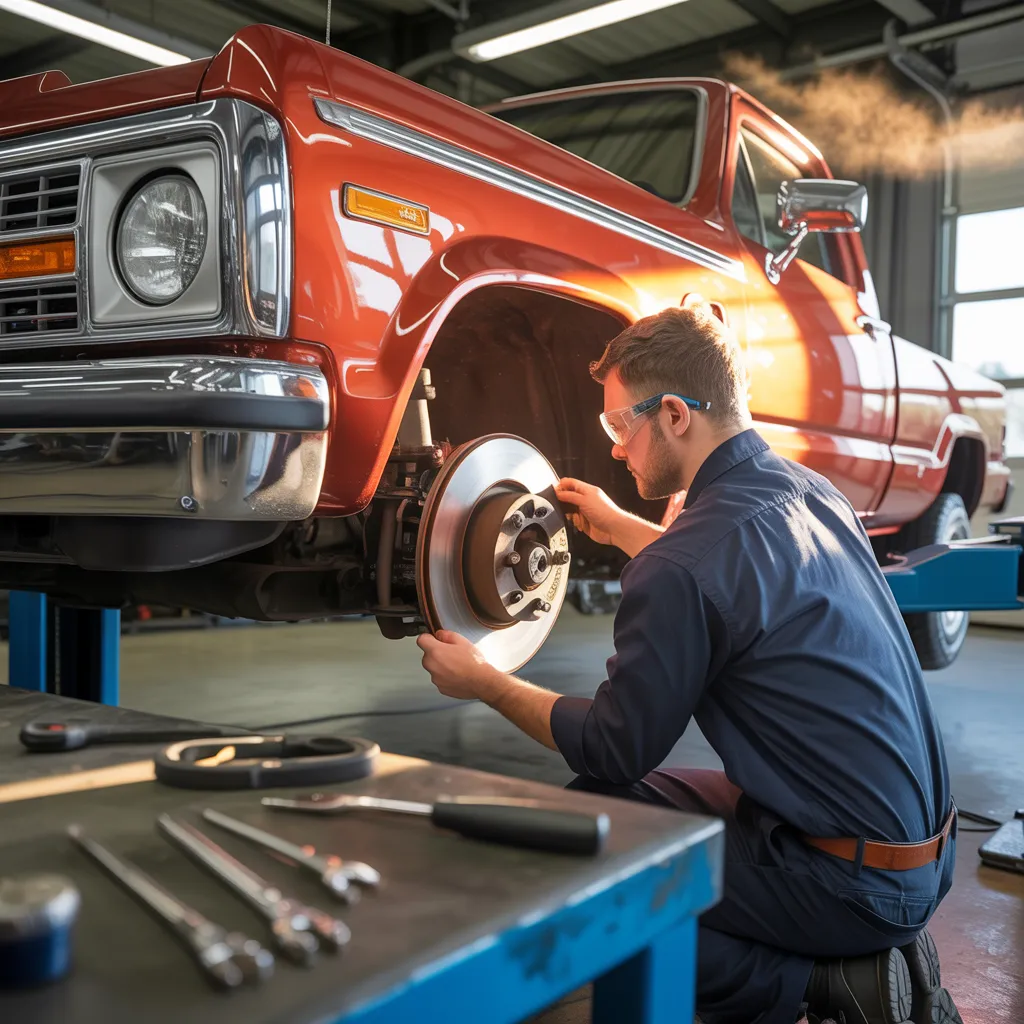
The Significance of Regular Upkeep for Auto Maintenance
Preventive maintenance serves as the foundation of efficient auto repair, ensuring vehicles operate smoothly and efficiently. Periodic checks, including oil changes, tire rotations, and brake inspections, prove vital in extending a vehicle's lifespan. These tasks help uncover potential complications before they become pricey repairs, therefore improving overall vehicle safety and functionality.
Moreover, following a maintenance schedule can improve fuel efficiency, resulting in reduced operational outlays. Routine checks also encourage a greater comprehension of the automobile's status, empowering owners to decide wisely regarding repairs and upgrades. Additionally, following the manufacturer's recommendations helps preserve warranty coverage and preserves the car's market value. Ultimately, ongoing care is not merely a precaution; it is an investment in the vehicle's reliability and longevity, guaranteeing drivers can count on their vehicles for years to come.
Critical Auto Work Every Motorist Should Be Aware Of
Understanding critical auto repairs is crucial for every driver. Key areas include regular upkeep inspections, brake component evaluations, and tire health management. Familiarity with these components can enhance vehicle safety and longevity.
Routine Maintenance Inspections
Routine checkup checks are essential for keeping a vehicle in excellent condition, ensuring well-being and performance on the road. Regular inspections of important components, such as oil levels, coolant, and filters, contribute greatly to a vehicle's longevity. Tire pressure and tread depth should be monitored to increase fuel efficiency and improve handling. Additionally, checking fluid levels—like transmission and brake fluid—can help prevent costly repairs down the line. Belts and hoses should also be inspected for wear and tear, as they play critical roles in engine operation. By sticking to a routine maintenance schedule, drivers can identify potential issues early, consequently promoting a more reliable and safer driving experience while maximizing the vehicle's reliability and performance.
Brake System Tests
Maintaining a vehicle's stopping system is a essential aspect of overall automotive care. Regular checks of the braking system are important for ensuring safety and functionality. These inspections typically involve examining brake pads, rotors, and fluid levels for deterioration and functionality. A qualified technician evaluates the braking components to identify any signs of damage or potential failure. Early detection of issues, such as worn pads or uneven wear, can prevent more severe problems and costly repairs down the line. Drivers are encouraged to follow manufacturer recommendations for service intervals, typically every 10,000 to 15,000 miles. Prioritizing brake system health not only enhances vehicle safety but also contributes to a better driving experience.
Tire Health Monitoring
Tire health is necessary for optimal vehicle performance and safety. Regular assessments help identify issues such as uneven wear, low pressure, and potential damage. Maintaining proper tire pressure is vital; under-inflated tires can lead to decreased fuel efficiency and increased risk of blowouts. Drivers should also monitor tread depth, as insufficient tread can impair traction, especially in adverse weather conditions. Rotating tires every 5,000 to 8,000 miles promotes even wear and extends lifespan. Additionally, alignment checks can prevent premature wear and enhance handling. By prioritizing tire health management, drivers guarantee not only their safety but also optimize their vehicle's overall performance, leading to a more enjoyable and economical driving experience. Proper care can greatly reduce long-term repair costs.
Important Traits of a Reliable Mechanic
Discovering a dependable mechanic can substantially influence the longevity and performance of a vehicle. Key qualities to look for include expertise, integrity, and communication skills. A experienced mechanic demonstrates a thorough understanding of various vehicle systems, guaranteeing accurate diagnostics and effective repairs. Integrity is essential; an honest mechanic offers honest assessments and fair pricing without unnecessary upselling.
Furthermore, strong communication skills foster a mutual comprehension between the mechanic and the vehicle owner. This includes describing problems in layman's terms and discussing repair options transparently. A reliable mechanic also demonstrates professional standards through timely arrival and a clean workspace, indicating respect for both the vehicle and the owner's time. Finally, a good reputation within the community, often shown in customer reviews, can function as an indicator of reliability. Collectively, these qualities guarantee that vehicle owners experience high-quality service and peace of mind.
How Experienced Diagnostics Free Up Your Time and Money
Efficient testing serve as the backbone of streamlined auto repair, making certain that complications are detected precisely and promptly. Expert technicians employ advanced diagnostic tools to evaluate automobile performance, identifying issues before they escalate into expensive repairs. This proactive approach not only reduces time but also decreases the risk of unnecessary labor and parts replacement.
When technicians can swiftly pinpoint complications, they can provide exact remedies, causing faster turnaround times. Additionally, by handling concerns in advance, vehicle owners can sidestep more significant, expensive breakdowns down the line.
Furthermore, expert diagnostics can improve overall vehicle longevity, resulting in better fuel efficiency and reduced maintenance costs. Ultimately, utilizing professional diagnostic services can yield substantial savings, making it a wise choice for vehicle owners seeking to maintain their cars in optimal condition. In this way, effective diagnostics play an essential role in both time management and financial planning for automotive care.
Why Superior Elements Count for Your Car
Quality elements serve as a essential role in upkeeping a automobile's performance and ensuring its longevity. By utilizing superior components, drivers can gain superior operation and trustworthiness in their automobiles. Making investments in quality parts not only safeguards against constant maintenance needs but also lengthens the life of vital vehicle parts.
Optimized Performance Assurance
Investing in top-tier automotive parts markedly enhances a vehicle's durability and efficiency. Premium components are designed to satisfy exact specifications, guaranteeing optimal functionality. When motorists opt for premium parts, they can expect improved acceleration, braking, and handling. Additionally, premium parts often undergo extensive testing, providing confidence of reliability under various driving conditions.
Using substandard components can cause subpar performance, causing diminished fuel efficiency and likely safety hazards. improved performance not only elevates the driving experience but also improves a vehicle's resale worth. As a result, picking premium parts is a essential decision for any vehicle owner wanting to improve their expert advice car's performance and copyright peak performance throughout its lifespan.
Automobile Component Durability
While many automobile owners may undervalue the worth of parts excellence, the longevity of a car relies heavily on the parts chosen during service and restoration. Top-tier components are constructed to withstand wear and tear, in the final analysis boosting the vehicle's resilience and performance. Conversely, inferior components can lead to frequent failures, ballooning maintenance costs, and compromised protection. Using legitimate manufacturer parts or trustworthy replacement choices ensures proper alignment and trustworthiness, cultivating a streamlined automotive experience. Additionally, high-grade components often include warranties, providing peace of mind for owners. Investing in premium-grade parts not only lengthens the functional lifespan of various car components but also enhances superior fuel economy and enriched driving pleasure, making it a vital consideration for all vehicle care.
Ways to Form a Solid Relationship With Your Mechanic
Creating a strong rapport with a mechanic can boost the overall auto repair experience. Trust is essential; customers should select a mechanic they feel assured speaking with freely. Regular visits to the same shop build familiarity, allowing the mechanic to learn the vehicle's history and specific needs.
Transparency is necessary; customers should ask for specifics about repairs and costs, ensuring they fully grasp the services provided. Sharing feedback about past experiences helps mechanics tailor their services to better meet customer expectations.
Additionally, expressing gratitude for excellent service—by means of thank-you notes or referrals—can enhance the relationship. Customers who participate in conversations about their vehicles often find their mechanics more invested in their satisfaction. Ultimately, a strong relationship with a mechanic can lead to more consistent service, superior advice on maintenance, and, importantly, peace of mind regarding vehicle safety and performance.
Often Inquired FAQs
How Frequently Should I Change My Oil?
Typically, oil should be replaced every 3,000 to 5,000 miles, depending on the vehicle and oil type. Regular checks and adhering to manufacturer guidelines ensure peak engine efficiency and longevity for the vehicle.
What Are Common Red Flags of Motor Trouble?
Typical alert indicators of motor trouble include strange noises, dashboard warning lights, lowered performance, too much smoke from the exhaust, and unusual odors. Prompt recognition of these symptoms can prevent more severe issues.
Can I Manage Standard Maintenance On My Own?
Yes, individuals are able to complete basic upkeep by themselves. Tasks including oil change procedures, air filter changes, and tire rotations are doable when you have proper tools and guidance. However, comprehending vehicle specifics and safety precautions remains crucial for effective maintenance.
How Can I Pick the Correct Tires for My Vehicle?
To determine the suitable tyres, one should evaluate the automobile's technical details, terrain type, and climate. In addition, reviewing tire tread patterns, ratings, and measurements guarantees superior operation, safety, and convenience while driving in various environments.
What Could I Do When Experiencing a Technical Failure?
When experiencing a car trouble, drivers must safely pull over, turn on hazard lights, assess the situation, and get in touch with roadside assistance or a trusted mechanic for help. Staying calm is important during emergencies.